
The longest advertised range can make an e-bike look like the obvious choice. Then you remember the stairs outside your apartment, the groceries you carry home or the fact that your usual parking spot has no outlet.
Those details deserve attention before the headline mileage.
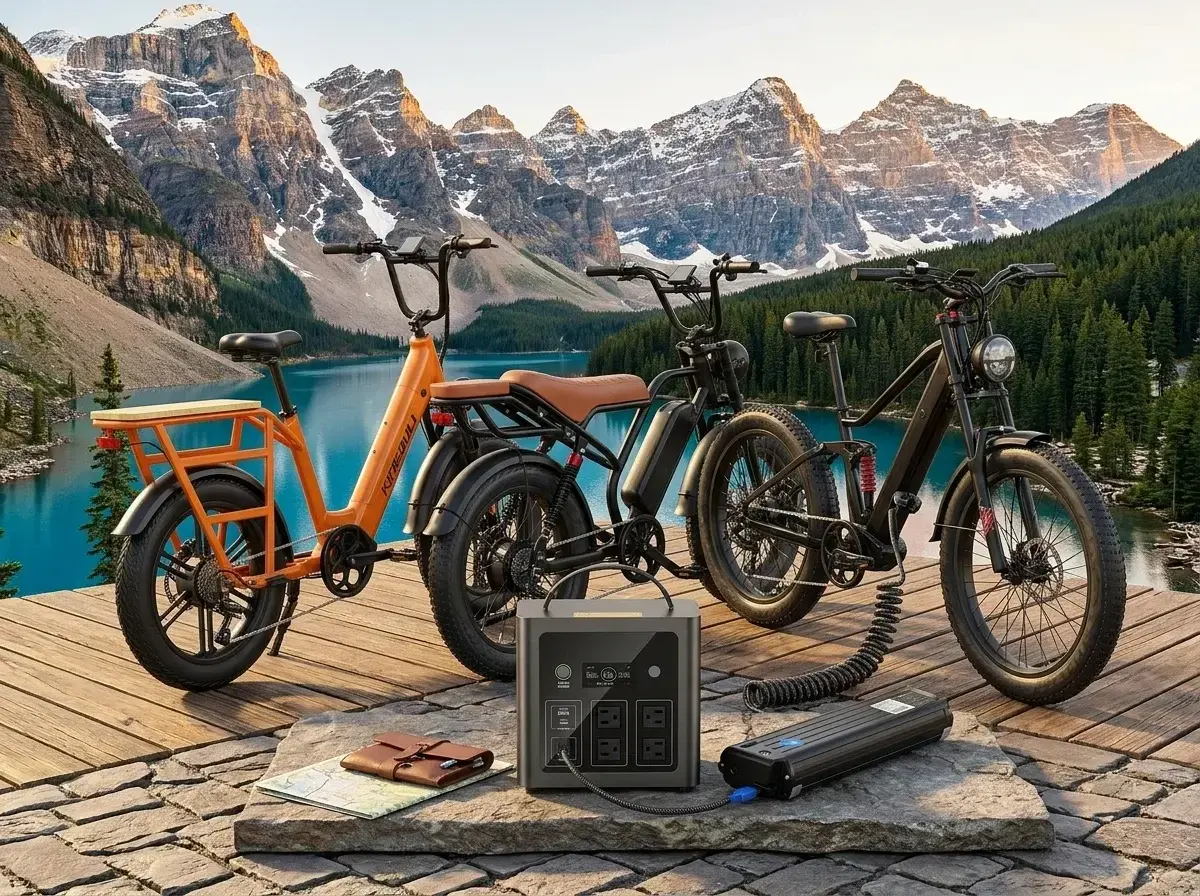
This guide compares three Kingbull e-bikes with different personalities: the cargo-focused Voyager 2.0, the full-suspension Rover 2.0 and the vintage-styled Ranger. It also examines the Kingbull 15Ah replacement battery and Nextcore640 portable power station.
The goal is to help you choose a bike and a charging plan that fit the same routine. A spare battery and a power station solve different problems, and neither should go into your cart simply because it appears beside the bike.
Why Everyday Use Is a Useful Starting Point
Recent US industry reporting gives this approach some context. In a 2026 article, PeopleForBikes identified electric cargo bikes as one of the faster-growing categories in its market data, citing estimated US sales of approximately 38,500 units in 2024. That is historical sales evidence discussed in a recent report, not a completed 2026 sales total.
Shopper discussions make the practical questions more tangible. One Reddit buyer considering the Voyager 2.0 described grocery runs, errands and uncertainty about which specifications matter in daily use. Another discussion asked whether a portable power station could solve a lack of charging access.
These conversations are useful indicators of buyer concerns. They do not establish product reliability or prove that everyone needs a cargo bike.
Start by describing your own week: where you ride, what you carry, where the bike stays and when you can charge it.
Which Kingbull E-Bike Fits Your Routine?
Model | Main feature to evaluate | Listed battery | Advertised maximum range | Listed bike weight |
Voyager 2.0 | Cargo-oriented design | 720Wh | Up to 60 miles | 76 lb |
Rover 2.0 | Full suspension | 720Wh | Up to 60 miles | 80 lb |
Ranger | Vintage styling and fixed seat | 864Wh | Up to 80 miles | 88 lb |
Figures come from Kingbull’s listings. Maximum distances depend on the stated riding conditions and should not be treated as a promised daily range.
Voyager 2.0: Start Here for Errands and Cargo
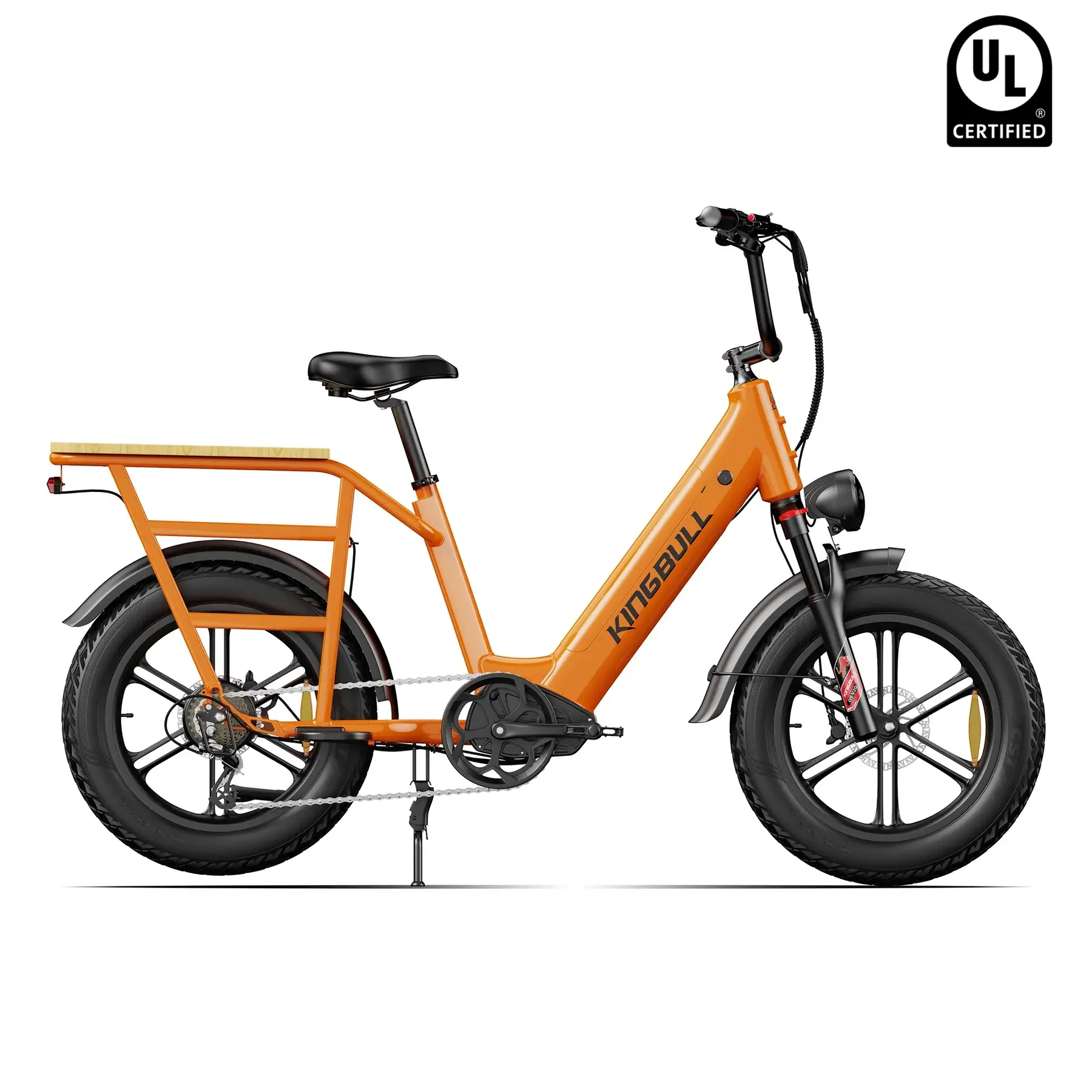
The Kingbull Voyager 2.0 is the most directly relevant option here if carrying belongings is central to your plans.
Kingbull lists a 750W motor, torque sensor, hydraulic brakes and 20 × 4-inch tires. Its cargo positioning makes it worth investigating for shopping trips and everyday utility.
However, the page gives conflicting rear-rack limits: 150, 180 and 200 pounds appear in different sections. The rack limit needs written confirmation before purchase. A total payload figure does not resolve that discrepancy.
Prepare a realistic load list, including your bag, lock and groceries. Ask Kingbull to confirm the permitted load and attachment method for the exact accessories you intend to use.
Rover 2.0: Consider the Terrain and the Fit
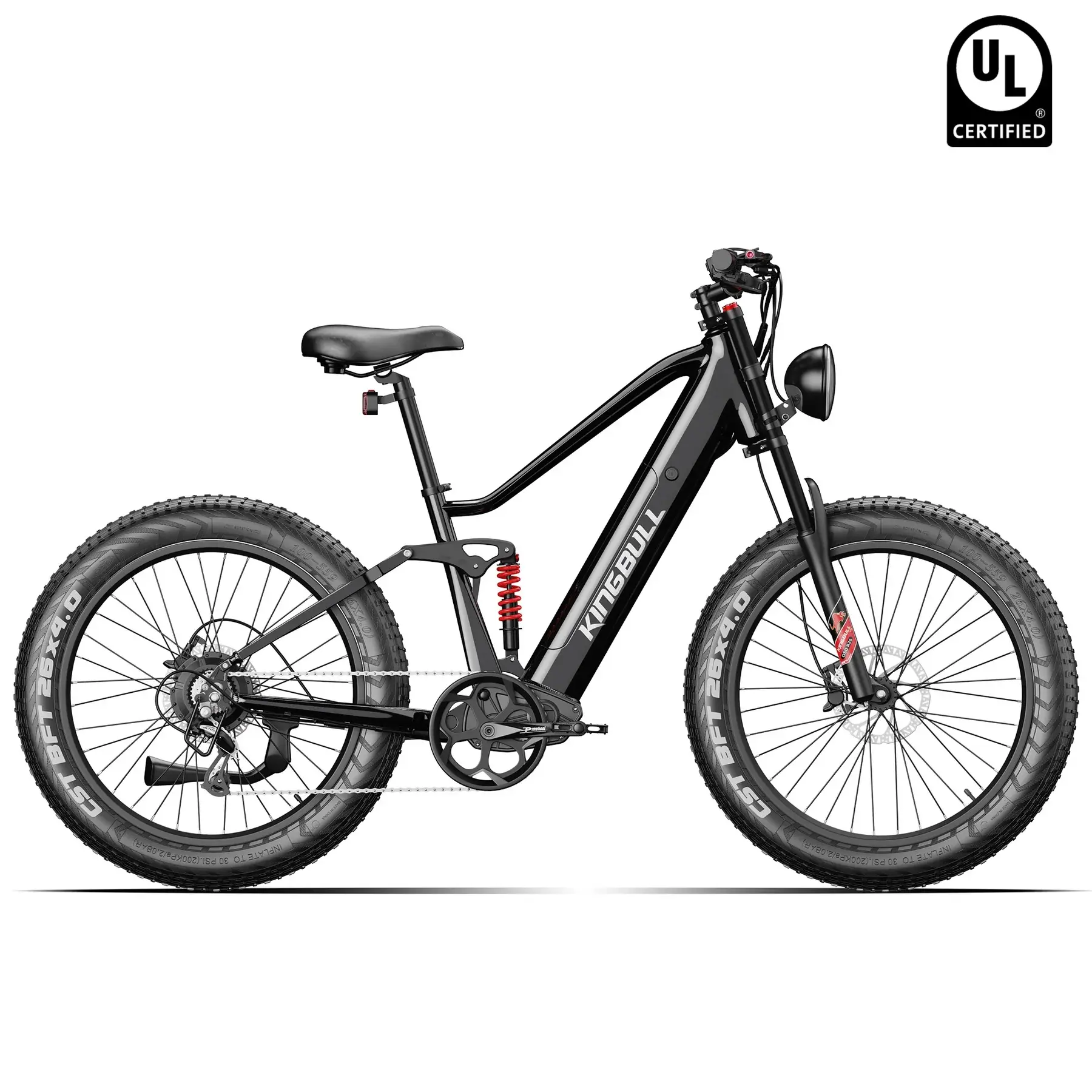
The Kingbull Rover 2.0 brings full suspension, a rear shock, 26 × 4-inch tires and a torque sensor to the comparison. Those are its clearest distinctions for shoppers evaluating uneven-surface riding.
Kingbull lists a 33-inch standover height, so checking fit matters as much as reading the feature list.
Before choosing it, identify the surfaces you actually expect to ride. There is a difference between occasional rough pavement and a route built around unpaved sections.
Also consider where you will maneuver the bike without assistance. A hallway, storage room or vehicle rack can become part of every ride. Request a demonstration or fit guidance rather than assuming that a broad recommended rider-height range guarantees comfort.
Ranger: Check the Fixed Seat Before Falling for the Style
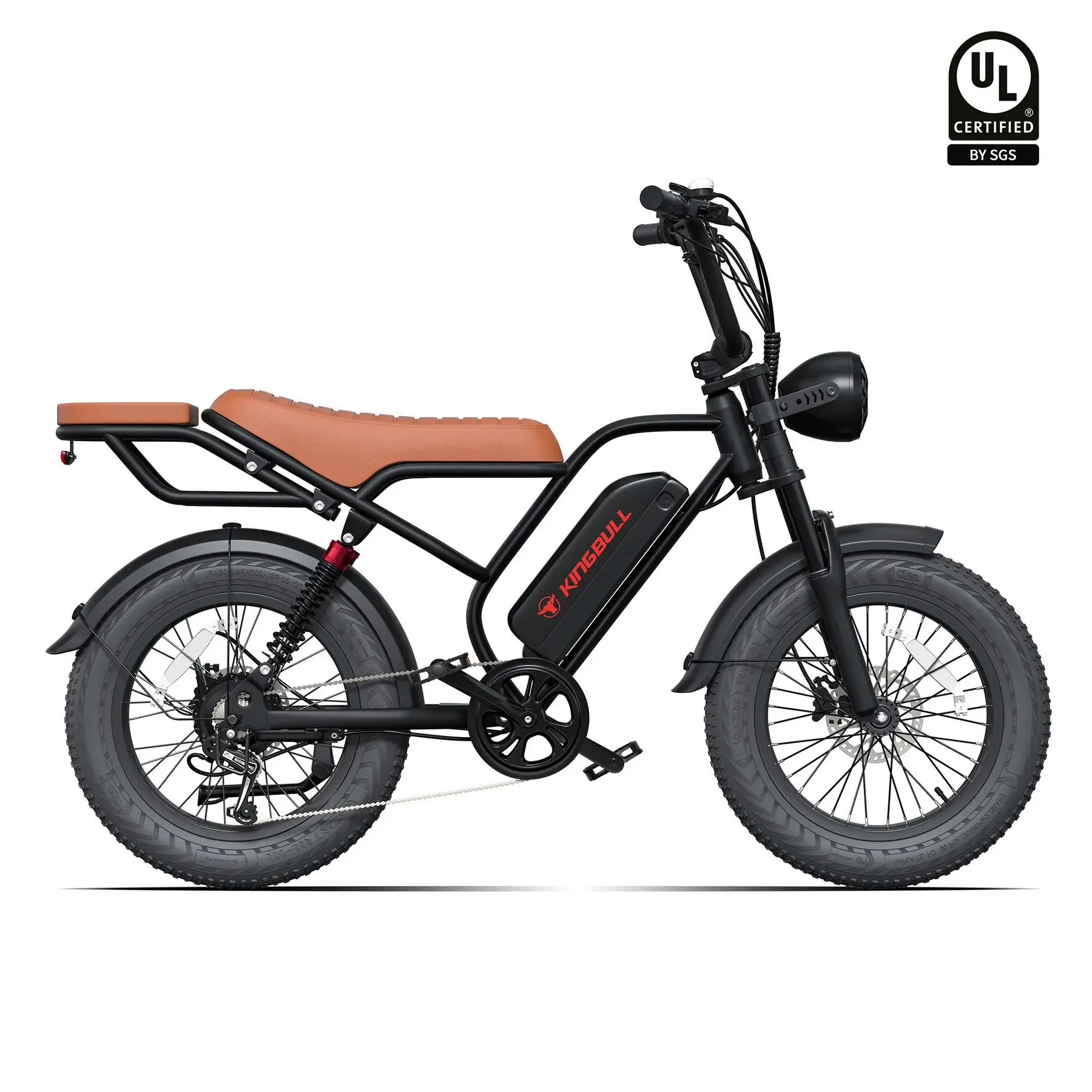
The Kingbull Ranger has a vintage, moped-inspired appearance and a larger listed battery than the other two bikes in this guide.
Kingbull specifies a 750W motor with 1300W peak power and a cadence sensor. The manufacturer also confirms that the seat height cannot be adjusted. Peak power should not be confused with the motor’s stated 750W rating.
If you expect to pedal frequently, ask for help checking leg extension and reach before ordering. A fixed seat deserves particular attention because you cannot simply raise or lower it afterward.
Choose the Ranger because its fit and riding format work for you, with its appearance as part of the appeal.
Plan Your Range Around Your Actual Route
“How far will it really go?” is a reasonable question. Reddit riders explicitly ask how advertised e-bike range compares with their own experience.
Kingbull identifies terrain, rider weight and riding conditions as factors affecting range. Its maintenance guidance also flags low tire pressure, cold weather and battery aging as possible causes of reduced distance.
Build your plan around a round trip. Include the grocery stop, the detour and the journey home.
For example, if your commute is 10 miles each way, the basic requirement is 20 miles before any additional stops. That arithmetic is straightforward, but it does not tell you how much battery your particular route will consume.
Begin with shorter rides close to home. Record distance, assistance settings, conditions and remaining charge. Use repeated rides to establish a conservative pattern before depending on the bike for a longer trip.
Avoid applying a universal rule such as “every e-bike delivers half its advertised range.” Without comparable test conditions, that is another guess.
Check Compatibility Before Buying a Spare Battery
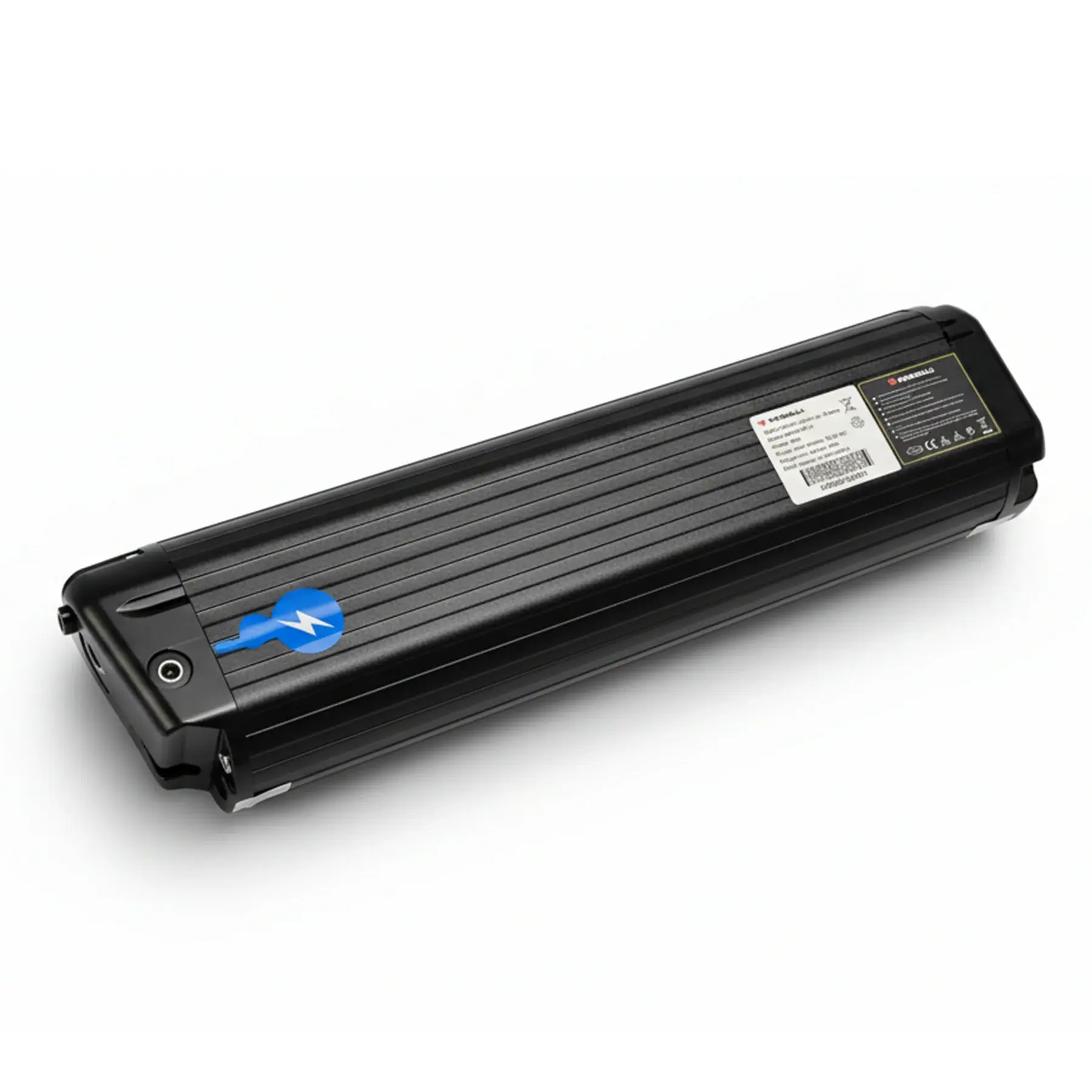
The Kingbull 15Ah battery pack is listed as a 48V, 15Ah pack. Among the bikes in this article, Kingbull names the Voyager 2.0 and Rover 2.0 as compatible models.
There is an important extra check. Kingbull says production batches use either a one-screw-hole or two-screw-hole arrangement on the battery sides, and the versions are not interchangeable. The listing also excludes the charger and battery cover.
The Ranger is not included in this battery’s compatibility list. Do not assume that it fits simply because the bike comes from Kingbull.
Before paying, send Kingbull your exact model details and clear photographs of the existing battery and mounting arrangement.
A spare is worth evaluating when your established riding pattern calls for additional stored energy. First determine how you would transport it securely and follow the manufacturer’s handling and installation instructions.
What the Nextcore640 Can Add to Your Setup
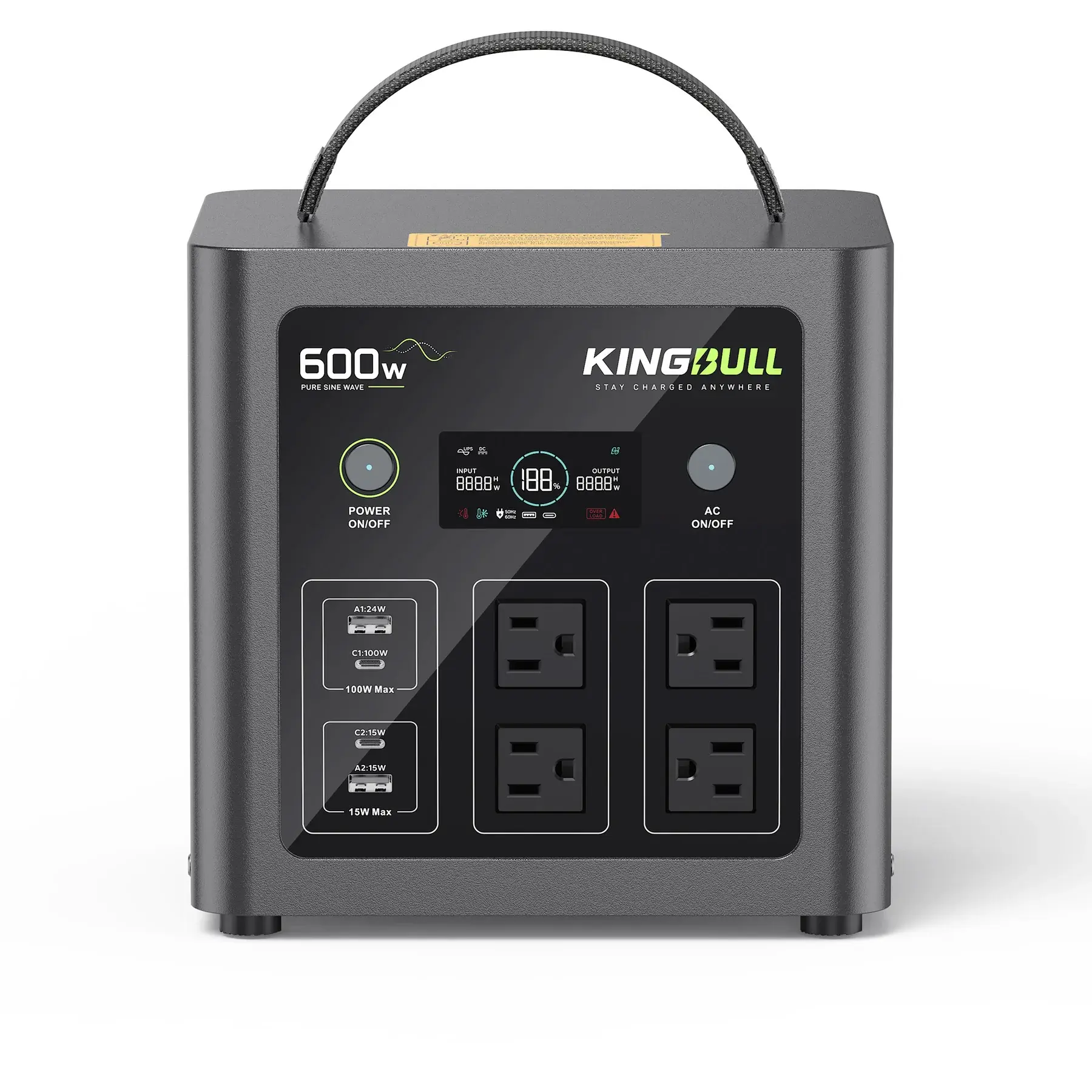
The Kingbull Nextcore640 portable power station is a separate power source. Kingbull lists 640Wh capacity, 600W AC output, a LiFePO4 battery and a weight of 16.3 pounds.
Its official FAQ says it can power e-bike charging through the bike’s original charger.
That does not promise a full recharge. Its stated 640Wh capacity is below the 720Wh battery capacity listed for the Voyager and Rover, even before conversion losses. It is also below the Ranger’s 864Wh capacity. This comparison is an energy-budget calculation, not a charging test.
Ask Kingbull to confirm your charger’s input requirements against the station’s output specifications.
Picture where charging will happen and how long you can remain there. A campsite or other planned stop may make more sense than treating the station as something to carry on every ride.
Spare Battery or Power Station: Choose the Problem First
These accessories should be compared by purpose.
Your situation | What to investigate |
You need more riding energy between stops | An approved spare battery with confirmed fit |
You have a planned charging stop without an outlet | A power station used with the approved charger |
Your current battery already covers your route | Whether either accessory adds enough value |
You are buying before learning your normal consumption | Shorter test rides before choosing additional equipment |
Think about time as well as capacity. A power station still requires a charging stop. A spare brings its own compatibility, handling and transport requirements.
Neither option removes the need to plan the return journey. Write down where the extra equipment will stay, how it will be carried and when it will actually be used. If those answers are vague, postpone the accessory purchase.
Five Questions to Resolve Before Checkout
Where will the bike live? Measure your storage area and think through every doorway, turn and step. Check whether you can manage the selected bike’s listed weight.
Who will service it? Ask a local shop whether it will work on your specific Kingbull model. Clarify which tasks it can handle and which would require manufacturer support.
What exactly comes with the order? Save the selected model, color, battery configuration and accessory list. Product photographs can show equipment that requires a separate purchase.
Where are you allowed to ride? Check the rules published by the relevant road or trail authority for your intended route. A product’s “off-road” description does not itself grant access.
How will charging fit your day? The US Consumer Product Safety Commission advises using manufacturer-approved batteries and chargers, remaining present while charging and avoiding charging while asleep. Follow the product instructions and unplug when charging is complete.
Choose the Setup You Will Actually Use
Start with the ride you expect to make most often. Put the Voyager 2.0 on your shortlist for cargo needs, examine the Rover 2.0 for its suspension and fit, and consider the Ranger if its fixed-seat format suits you.
Then decide whether you need additional energy on the bike or a power source at a charging stop.
Visit the linked Kingbull listings, compare the dimensions with your storage space and send Kingbull your remaining compatibility questions before ordering. A clear answer about fit, cargo limits or charging is more useful than another ambitious mileage claim.